
Advanced Neuro Case
Brain, Spine & Neuro case Services
Accurate diagnosis & advanced Neuro case treatment with expert doctors, modern machines and dedicated patient care .
Book Neuro AppointmentNeuro case:
A Comprehensive Clinical Review
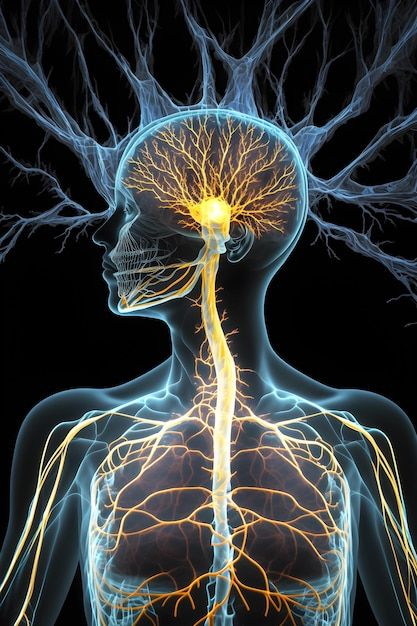
A Neuro case of 10 presents A unique combination of complexity,uncertainty, and clinical challenge.case often presents a unique combination of complexity, uncertainty, and clinical challenge. Because the nervous system influences nearly every aspect of human function, Any disturbance can produce diverse and overlaping symptoms.Understanding Anuro case requires a structure approach including detained patient history neurological examination and laboratory assessments.In the article explore a hypothetical neurocus that demo status the importance of systematic reasoning and multidisciplinary Evolutions.
Patient Background
The neuro case revolves around a 42 year old male who arrives with a 2 month history of Persistent headaches intermittent dizziness, And weakness in has right arm Initially, the past symptoms were Mild,but But they are progressive nature rised concern. the patient denied any past neurological illness but reported a stressful lifestyle, irregular sleep, and occasional high blood pressure in any neuro case, the first step is to distinguish between primary neurological issues symptoms arising from systemic conditions
Clinical Presentation
During examination the patient complained of a throbbing headache worsened by bright light and low loud noise. Negro logical assessment revealed mild ight-arm motor weakness graded ⅘ And slight asymmetry in reflex responses sensory testing remained largely normal. these findings suggested that the might involve either a central lesion or An inflammatory condition of the nervous system.
Because headaches R one of the most common complaints in a clinicians examine whether the pain is vascular , structural neuropathic in origin, the combination of motor weakness and persistant headache Made it clear that the situation required advanced imaging
Diagnostic Evaluation
MRI Findings Showed a small lesion In the left parietal region, appearing consistent with inflammation rather than a Tumor. this shifted the direction of the neurocus toward possibilities such as demyelinating disease, localized infection or autoimmune Processes. blood tests revealed to evaluate cerebrospinal fluid (CSF),which showed mild protein elevation without bacterial growth. Such CSF patterns are often observed in demyelinating conditions, making this Neuro case increasingly suggestive of early-stage multiple sclerosis (MS).
.
However, diagnosing MS based solely on one episode discouraged. A good neuro case analysis requires considering other possible causes transient ist ischemic attacks vasculitis, or even atypical Migraines with neurological deficits the patients as and the MRI lesson pattern supported the autoimmune explanation but for the evolution was still required.
Differential Diagnosis
In this case of Neuro, differential diagnosis included:
Multiple Sclerosis – favored due to parietal white-matter lesion and CSF findings
Migraine with motor aura is less likely because of persistent neurological weakness.
Parietal stroke – inconsistent with MRI characteristics and lack of vascular risk other than mild hypertension.
Neuroinfection-ruled out by CSF analysis.
Autoimmune encephalitis is a possibility, but less supported by clinical presentation.
A structured differential is necessary because Neuro cases can quickly lead the clinician astray if decisions are based on initial impressions rather than evidence.
Treatment Plan
Once multiple sclerosis became the leading diagnosis, the treatment plan revolved around managing the inflammation and preventing further flare-ups of the disease. High-dose intravenous corticosteroids were given for five days. The patient’s headaches reduced considerably, with the motor strength of the right arm also showing improvement. This improvement further validated the working diagnosis of MS, as steroid responsiveness is typical in such a Neuro case.
Long-term therapy options were explained to the patient, including disease-modifying treatments like interferons, glatiramer acetate, and newer monoclonal antibody therapies. A personalized approach was essential because each requires a balance of treatment effectiveness with lifestyle compatibility and potential side effects.
Rehabilitation and Follow-Up
Rehabilitation also played an important role. A planned program of physiotherapy addressed the fine motor defects of the patient and enhanced right-arm coordination. Cognitive drills were included to avoid potential parietal-lobe-related deficits. Follow-ups were then scheduled every three months regularly.
A repeat MRI was advised after six months to observe new lesions or disease progression. In any neuro case, but especially one suspected to involve demyelination, continuous follow-up is important if early intervention is to reduce long-term disability.
Psychological and Social Considerations
complete without addressing the psychological impact. The patient was anxious about the diagnosis and also the fear of losing independence. Counseling sessions provided him with coping strategies, and he was informed that many people with MS lead productive and independent lives with the right medical support.
Work-related adjustments were discussed as well. Fatigue is a common symptom in neurological disorders, which required flexible work hours. A supportive environment can significantly improve outcomes in a Neuro case because chronic neurological diseases often require lifestyle modification.
Conclusion
This fictitious case of Neuro points out how important it is to incorporate clinical expertise, diagnostic tools, and patient-centered care. Rarely does a Neuro case present itself upon first glance; rather, it unfolds through systematic reasoning and careful evaluation. Proper management involves treating the underlying condition but also includes support for the patient physically, mentally, and socially.
Ultimately, each Neuro case has taught clinicians to be patient, observant, and analytical. The nervous system demands nothing less more..